
 marketing@buckeyenw.com
 July 6, 2026
 3 Comments on Understanding the Basics of Home Maintenance: Electrical
Whether you're moving into a new home, maintaining a rental property, or simply curious about how things work, understanding a few basic electrical components can make everyday situations feel less intimidating. While most electrical repairs should be left to qualified professionals, knowing how common systems function can help you safely perform a few simple tasks.
Electrical Panels, Circuit Breakers, and Fuse Boxes
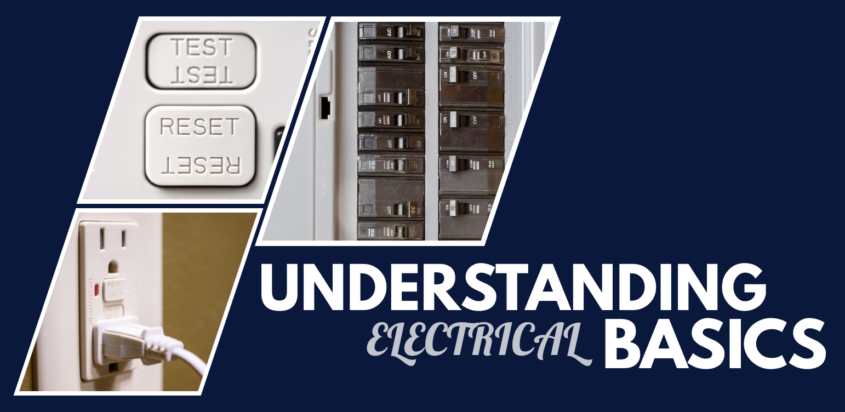
Every home has a central location that controls its electrical system. In newer homes, this is typically an electrical panel, often called a breaker box. Inside the panel are circuit breakers, which protect different electrical circuits throughout the home.
Some older homes may still use a fuse box instead. While fuse boxes serve the same purpose, they use replaceable fuses instead of resettable circuit breakers.
Component | What You Should Know |
Electrical Panel (Breaker Box) | The central location that distributes electricity throughout the home. It’s often found in a garage, basement, utility room, or closet. |
Main Breaker | A large switch inside the electrical panel that shuts off power to the entire home when needed. |
Circuit Breakers | Individual switches inside the electrical panel that protect different electrical circuits. If too much electricity flows through a circuit, the breaker trips to help prevent overheating. |
Fuse Box | Found in some older homes. Uses replaceable fuses instead of resettable circuit breakers to protect electrical circuits. |
What Causes a Circuit Breaker to Trip?
Circuit breakers are designed to interrupt the flow of electricity when they detect a potential problem. This helps protect your home’s electrical system and can reduce the risk of overheating.
A breaker may trip for several reasons, including:
- Too many high-powered devices operating on the same circuit.
- A temporary power surge.
- A malfunctioning appliance.
- An electrical fault within the circuit.
An occasional tripped breaker isn’t always a sign that something is wrong. However, if the same breaker continues to trip repeatedly, it’s important to identify the cause rather than simply resetting it over and over again.
Resetting a Circuit Breaker
If a breaker trips, restoring power is often as simple as locating the tripped breaker, moving it completely to the OFF position, and then firmly switching it back to ON.
Before resetting the breaker, unplug any devices that may have caused it to trip. Once power has been restored, reconnect devices one at a time. If the breaker trips again immediately or continues to trip repeatedly, discontinue use of the circuit and seek assistance.
Understanding Fuse Boxes
Some older homes use fuse boxes instead of circuit breakers. While they serve the same purpose, they work a little differently.
Instead of resetting a switch, a blown fuse must be replaced with another fuse of the same type and rating. If you’re unsure which fuse is needed or a replacement fuse blows again, avoid guessing or installing a larger fuse. Instead, seek assistance to help identify the cause.
GFCI and AFCI Protection
If you’ve ever noticed an outlet with TEST and RESET buttons, you’ve already seen a Ground Fault Circuit Interrupter (GFCI) outlet. These outlets are commonly installed wherever electricity and water may be present, including bathrooms, kitchens, garages, laundry rooms, basements, and outdoor areas. If one trips, unplug any connected devices before pressing the RESET button. If the outlet won’t reset or continues to trip, it’s time to seek assistance.
Some homes also include Arc Fault Circuit Interrupter (AFCI) outlets or breakers. While the names are similar, they serve different purposes. GFCIs help protect against electrical shock, while AFCIs help reduce the risk of electrical fires.
When Should You Seek Assistance?
While understanding the basics can help you respond to common situations, some electrical issues should always be addressed by a qualified professional.
Seek assistance if:
- A circuit breaker trips repeatedly.
- A fuse continues to blow after being replaced.
- A GFCI outlet won’t reset.
- An outlet feels warm or hot to the touch.
- You notice sparks when plugging in or unplugging devices.
- You smell something burning near an outlet, switch, or electrical panel.
Building Confidence at Home
If you’re renting, review your lease agreement to understand which routine maintenance tasks are your responsibility and which electrical concerns should be reported to your property manager or landlord. Every property is different, so it’s always better to ask if you’re unsure.
Whether you’re renting or owning, understanding the basics of your home’s electrical system doesn’t mean you need to become an electrician. It simply means recognizing common components, knowing how to respond to minor situations safely, and understanding when it’s time to seek assistance.
Related Reading
Stay in Touch
(419) 385-5555 | Contact Us
Facebook | Instagram | X | TikTok | LinkedIn | YouTube
Disclaimer: The information provided in this guide is intended for general educational purposes only. Electrical systems, equipment, manufacturer recommendations, and lease agreements can vary. Always follow the manufacturer’s instructions for your specific equipment and consult your lease agreement or property manager before performing maintenance if you’re renting. If you’re uncomfortable performing any maintenance task or believe a safety hazard exists, contact a qualified professional. This information was accurate to the best of our knowledge at the time of publication.


3 Comments
Comments are closed.