
 marketing@buckeyenw.com
 July 20, 2026
 3 Comments on Understanding the Basics of Home Maintenance: HVAC Systems
Your HVAC system works behind the scenes every day to help keep your home comfortable, whether it's the middle of summer or the coldest day of winter. Understanding a few HVAC basics can make it easier to recognize common issues, perform simple maintenance, and know when it's time to contact a qualified professional.
What Is an HVAC System?
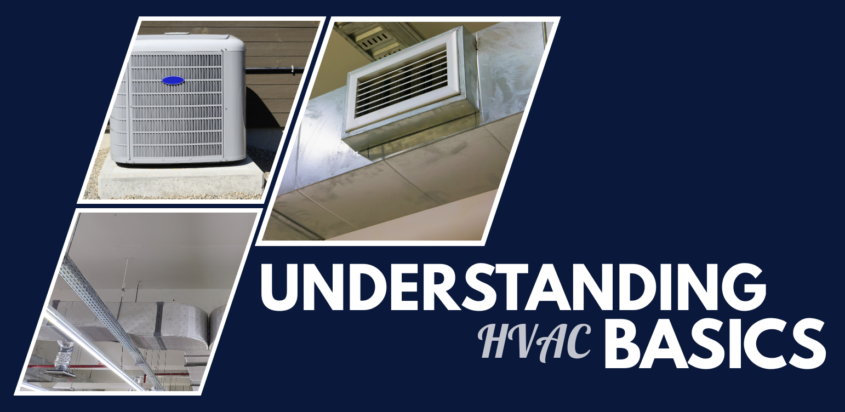
HVAC stands for Heating, Ventilation, and Air Conditioning. Together, these systems help regulate your home’s temperature, improve airflow, and maintain indoor comfort throughout the year.
Most residential HVAC systems include a thermostat, heating and cooling equipment, ductwork, and vents that work together to circulate conditioned air throughout the home. While each component plays an important role, today’s guide focuses on the everyday basics that can help you better understand your system.
As we continue expanding our home maintenance resources, be sure to check back for additional guides covering common home systems, seasonal maintenance, and other helpful topics for homeowners, renters, property owners, and property managers.
Supply Registers and Return Vents
Supply registers deliver heated or cooled air into your rooms, while return vents pull air back into the HVAC system for reconditioning. Both are essential for proper airflow.
To help your system operate efficiently:
- Avoid blocking registers or return vents with furniture, rugs, or curtains.
- Vacuum vents occasionally to remove dust and debris.
- Keep return vents clear so air can circulate freely throughout the home.
Outdoor Air Conditioning Unit
Your outdoor air conditioning unit needs adequate airflow to operate efficiently.
Keep the area around the unit free of leaves, grass clippings, weeds, and other debris. Maintaining approximately two feet of clearance around the unit can help promote proper airflow.
If the exterior becomes dirty, a gentle rinse with a garden hose is generally sufficient. Avoid using pressure washers or attempting to disassemble the unit.
Condensation Is Normal
When your air conditioner cools your home, it also removes moisture from the air. As a result, it’s normal to see water draining from the condensate line or small puddles near the outdoor discharge point during hot, humid weather.
However, water leaking inside your home, standing water around indoor equipment, or a system that is no longer draining properly may indicate a problem that should be addressed.
Air Filters
We’ve already covered air filter replacement in our Understanding the Basics of Home Maintenance guide. Still, it’s worth mentioning again because it’s one of the simplest ways to help your HVAC system operate efficiently.
Check your air filter every one to three months and replace it as needed. Homes with pets, allergies, or heavy HVAC use may require more frequent filter changes.
Protecting Your HVAC System
A few simple habits can help protect your HVAC system throughout the year.
During freezing weather, avoid turning your heat completely off, even if you’ll be away from home. Keeping the thermostat set to a safe temperature can help reduce the risk of frozen pipes.
You can also help your system by:
- Keeping supply and return vents unobstructed.
- Replacing thermostat batteries as needed if your thermostat uses them.
- Watching for changes in system performance or unusual noises.
When Should You Seek Assistance?
While understanding the basics can help you respond to common situations, some HVAC concerns should always be addressed by a qualified professional.
Seek assistance if:
- Your system is no longer heating or cooling your home.
- Water is leaking inside your home near HVAC equipment.
- Your system repeatedly turns on and off.
- You notice burning odors that do not go away shortly after startup.
- You hear loud banging, grinding, or screeching noises.
- Ice forms on the outdoor unit or refrigerant lines.
- Your thermostat is unresponsive after replacing the batteries, if applicable.
Building Confidence at Home
If you’re renting, review your lease agreement to understand which routine maintenance tasks are your responsibility and which HVAC concerns should be reported to your property manager or landlord. Before making changes to your HVAC system or thermostat, always obtain approval from your landlord or property manager if required.
Whether you’re renting or owning, understanding the basics of your home’s HVAC system doesn’t mean you need to become an HVAC technician. It simply means recognizing common components, practicing a few simple maintenance habits, and knowing when it’s time to seek assistance.
Related Reading
Stay in Touch
(419) 385-5555 | Contact Us
Facebook | Instagram | X | TikTok | LinkedIn | YouTube
Disclaimer: The information provided in this guide is intended for general educational purposes only. HVAC systems, equipment, manufacturer recommendations, lease agreements, and maintenance requirements can vary. Always follow the manufacturer’s instructions for your specific equipment and consult your lease agreement or property manager before performing maintenance or making changes if you’re renting. If you’re uncomfortable performing a maintenance task or believe there is a safety concern, contact a qualified professional. This information was accurate to the best of our knowledge at the time of publication.


3 Comments
Comments are closed.